
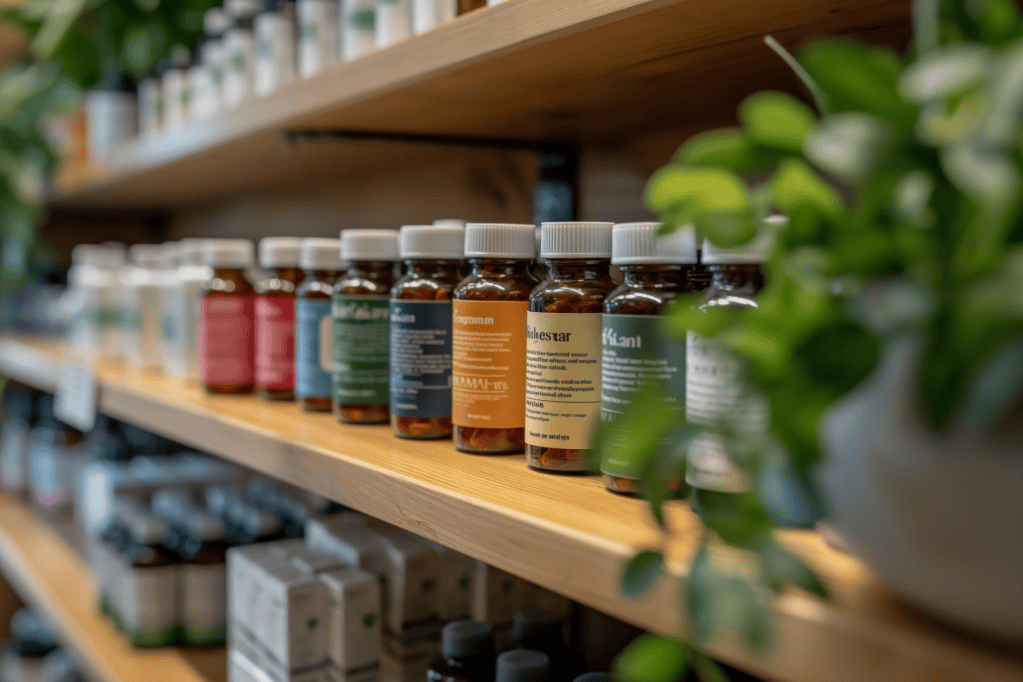
Anyone taking or considering taking supplements should get a blood test first, and here’s why.
Too much of a certain vitamin in our body can actually be harmful.
For instance, clinical research shows that excessive Vitamin A can cause liver damage and vision changes, and excess Vitamin D can lead to dangerously high calcium levels in the blood, potentially harming your kidneys.
Therefore, it is always best to have a blood test first to determine your actual deficiencies.
Even then, only 4% to 10% of synthetic vitamins are absorbed by our bodies, making it incredibly difficult for our systems to process and utilise them. In a world where our bodies are already under so much pressure from processed foods, refined sugar, and environmental toxins, synthetic pills are not the kind of extra pressure you want to add.
Ever noticed bright yellow, strong-smelling urine after taking vitamins? That’s the majority of your expensive supplement going straight down the drain… literally.
Why is this?
Synthetic supplements go through rigorous processing, heat, and chemical isolation to extract a specific vitamin and place it into a capsule, powder, or liquid. Because these vitamins are no longer in their original form or their original “packaging,” our bodies struggle to recognise and process them. Science refers to this natural packaging as the “food matrix,” which naturally dictates how well our bodies absorb nutrients.
What to do instead:
God created beautiful, bountiful foods that are packed with vitamins and minerals, perfectly ready for absorption and utilisation. The best move is simply to eat more of them!
Include more raw nuts, seeds, fresh fruit, raw and cooked vegetables, beans, and legumes in your daily diet. The more colour and variety, the better. These foods were originally designed to give us the exact nutrients we need.
Rooted in Scripture
In Genesis 1:29-30, we read:
“Then God said, ‘I give you every seed-bearing plant on the face of the whole earth and every tree that has fruit with seed in it. They will be yours for food. And to all the beasts of the earth and all the birds in the sky and all the creatures that move along the ground—everything that has the breath of life in it—I give every green plant for food.’”
Modern research heavily backs this up, showing that we get the most potent, bioavailable nourishment from whole plant foods rather than synthetic isolated versions.
5 Ways to Consume More Nutrients From Plant Foods
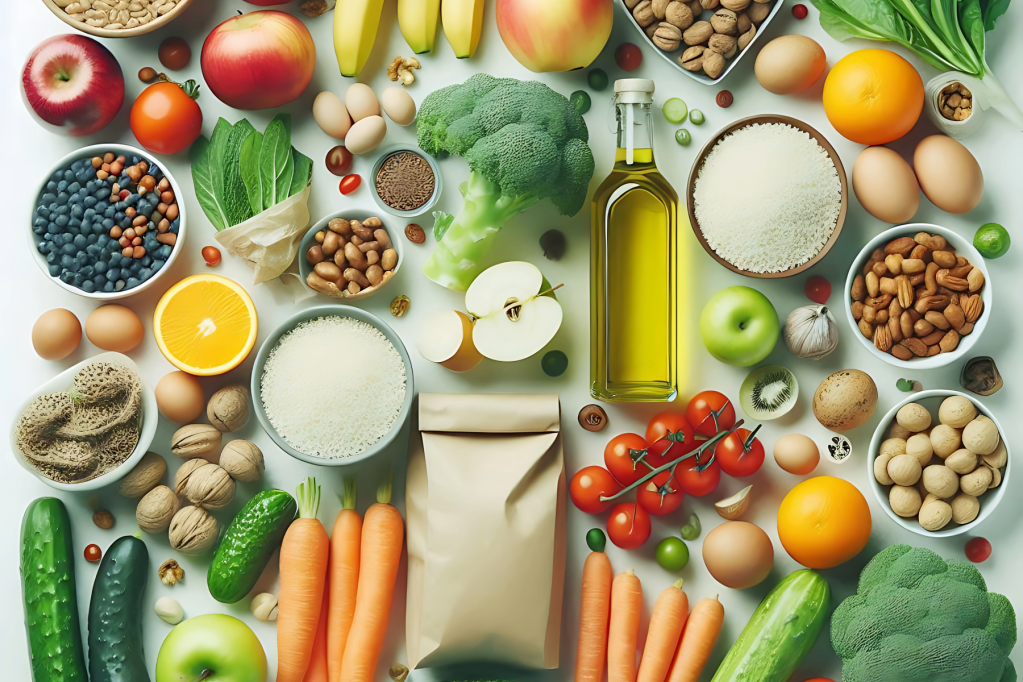
- Eat raw plant foods before every cooked meal: Eating about a side plate of raw veggies before a cooked meal is a great way to prime your digestion and absorb live nutrients. Keep it simple, colourful, and fun! Try vibrant salads with a drizzle of olive oil and a squeeze of lemon, or veggie sticks with a delicious homemade hummus or avocado dip.
- Eat one fruit meal a day: Fruits are exceptionally high in vitamins. Replacing one meal a day with as much fresh fruit as you can handle is a fantastic way to get digestive-supporting fibre, energising glucose, and nourishing vitamins. If you are concerned about the sugar in fruit hurting your health, rest easy: studies tracking the glycemic response to fruit consumption show that the sugar in whole and blended fruit does not cause blood sugar spikes and crashes the way refined sugar does, thanks to fruit’s natural fibre content.
- Snack on raw nuts and preservative-free dried fruit: Instead of reaching for chips and sweets throughout the day, swap them for a handful of nuts and dried fruit. Nuts are high in essential fatty acids and protein, while dried fruit provides fibre and natural glucose. This combination is highly satisfying and helps combat cravings for unhealthy salty or sweet snacks.
- Have a fruit-packed smoothie: Blending up a delicious drink from fruit and a vegetable or two is a great way to pack a massive nutritional punch in one go. Add a handful of soaked raw cashews or almonds for a creamy texture, some dates for added sweetness (and excellent food for your gut flora), or sneak a handful of spinach inside. You can enjoy it as a snack between meals, or add some pea protein powder to turn it into a healthy, easy on-the-go meal.
- Drink freshly pressed fruit and vegetable juices: Recent clinical trials confirm that fresh juices and raw plant foods are highly effective at delivering concentrated, easily absorbable vitamins and minerals. What your body doesn’t need gets gently filtered out without putting any strain on your digestive system. Because you are consuming plenty of fibre-rich foods, it will prevent any majour sugar spike/drop situations
Not a fan of chopping, juicing, and cleaning heavy machinery? No worries! Check out this fabulous, highly nourishing juicing solution—no juicer needed!
So, next time you want to reach for those pill bottles on the shelf, think twice. Look for ways to truly nourish your body from the ground up—without the added strain, and without flushing your health down the drain.
Yours in vibrant health,
Lea
💚
Sources & Scientific References:
Vitamin A Liver Complications: Olson, J. M. (2020). Vitamin A toxicity. StatPearls. View Study
Vitamin D Toxicity: Asif, A. (2020). Vitamin D toxicity. StatPearls. View Study
Vitamin A Safety Risks: Bendich, A., & Langseth, L. (1989). Safety of vitamin A. The American Journal of Clinical Nutrition. View Study
Synthetic vs. Food Bioavailability: Carr, A., & Vissers, M. (2013). Synthetic or food-derived vitamin C. Nutrients. View Study
Juicing & Raw Food Absorption: Choi, M. (2025). Comparative bioavailability of vitamin C after short-term consumption of raw fruits and vegetables and their juices. Nutrients. View Study
Fruit Sugar & Blood Glucose Response: Crummett, L. T., & Groziak, S. M. (2022). Postprandial glycemic response to whole fruit versus blended fruit. Nutrients. View Study


Leave a Reply